
Hiking Gear
Kit for the trail, not the catalogue
Backpacks, tents and traction devices. All gear we'd carry ourselves. Stocked in Plymouth, shipped across the UK.
Backpacks
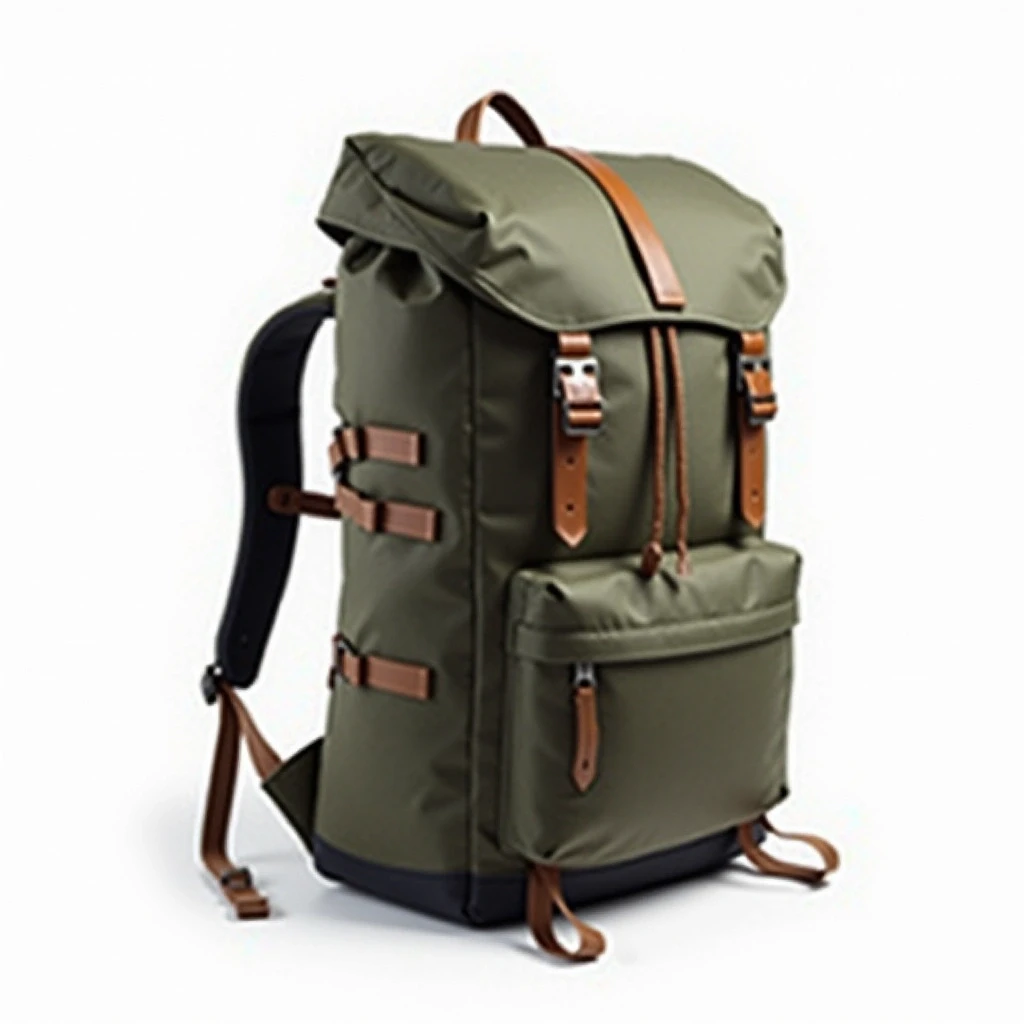
£229.00
65L / Anti-Gravity
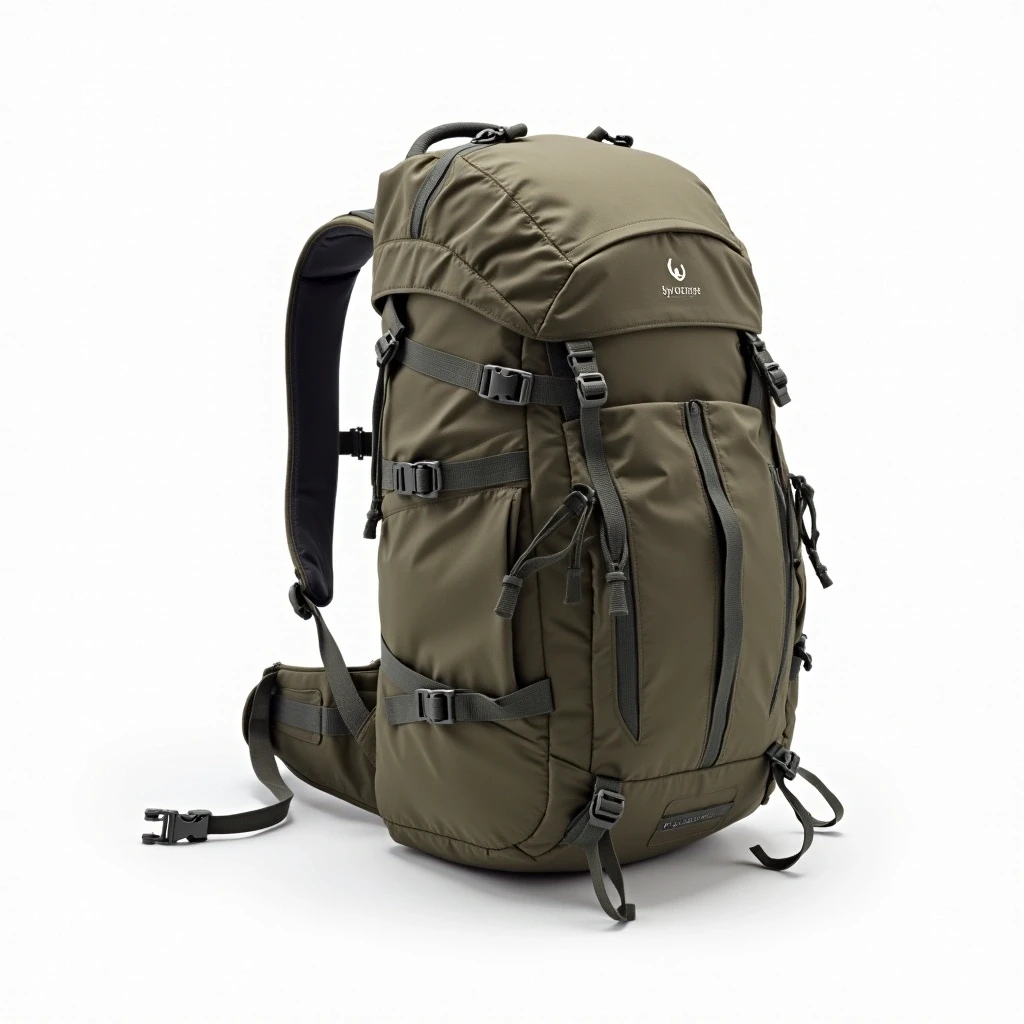
£159.00
48L / Ventilated mesh
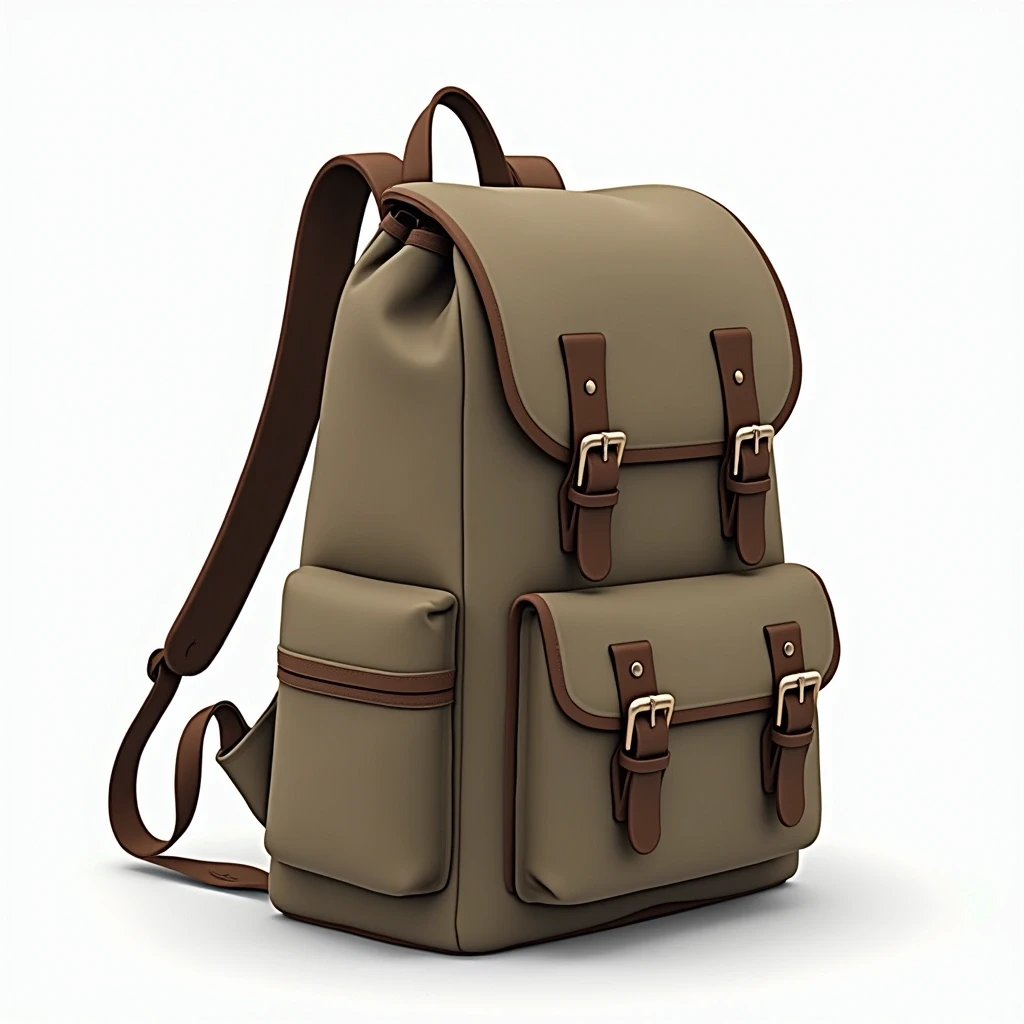
£79.99
23L / day pack
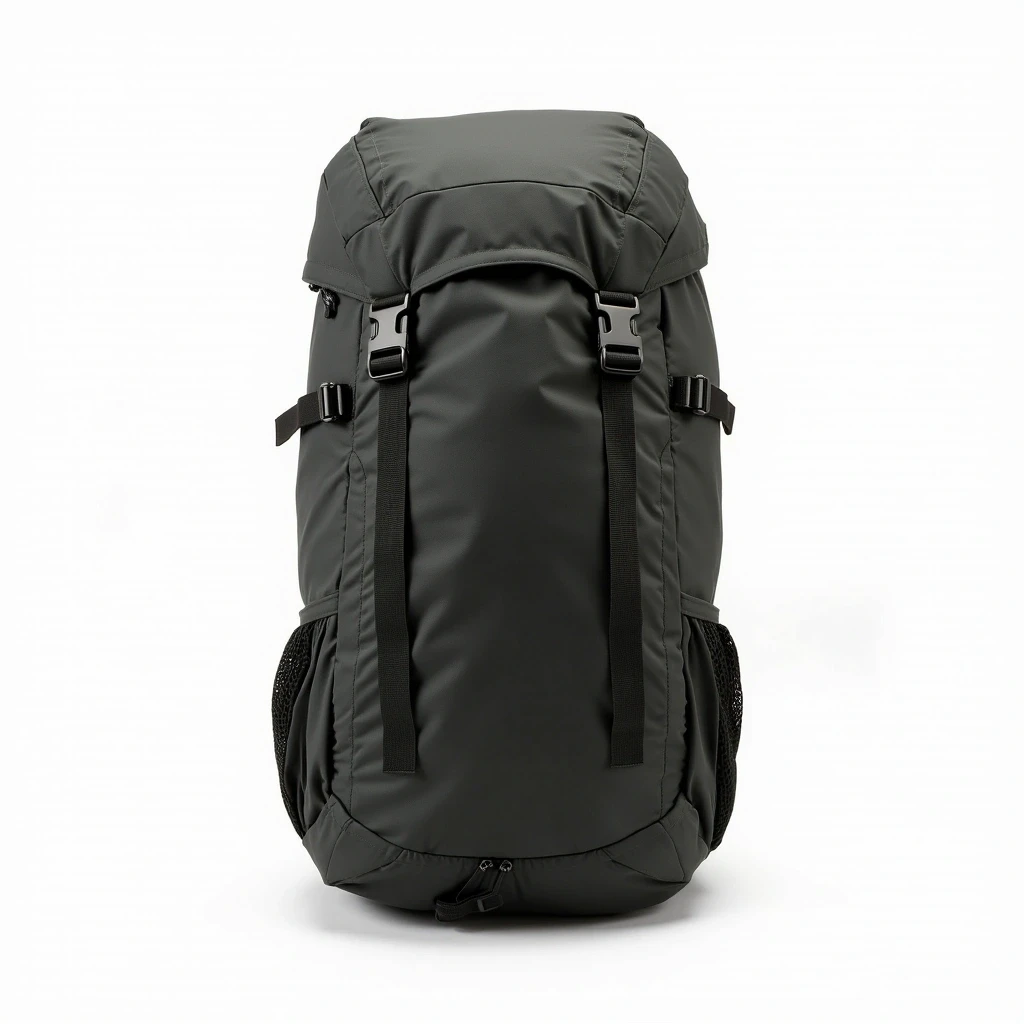
£109.00
30L / floating hipbelt
How to choose a hiking backpack
Volume first: 20–30L covers a full day with layers, food and water. 45–65L is the range for 2–5 night trips with a tent. Anything over 65L is for extended expeditions or winter kit. Avoid going bigger than you need — an overpacked large bag is harder on your body than a properly loaded smaller one.
Fit matters more than brand. Torso length — not height — determines which back system works for you. Measure from your C7 vertebra (the bony bump at the base of your neck) to the top of your hip bones. Both Osprey packs use this measurement to determine size. A badly fitted pack causes shoulder and lower back pain regardless of how expensive it is.
Suspension: suspended mesh like the Atmos AG keeps your back cooler and works well in warm or changeable conditions. For mountain marathons and fast days out the Deuter Speed Lite makes more sense — minimal weight, you're moving fast and not carrying much. The Gregory Zulu sits in between: a 30L with a proper hipbelt for day trips where comfort matters.
Check the hipbelt wraps around your iliac crest (the top of your pelvis), not your waist. Around 70–80% of the load should sit on your hips. If the belt sits on your belly rather than your hip bones, you're carrying wrong and shoulders will hurt before the day is out. Hipbelt pockets are worth having if you want snacks and phone access on the move.
Tents
3-season and 4-season. All with hydrostatic head ratings.
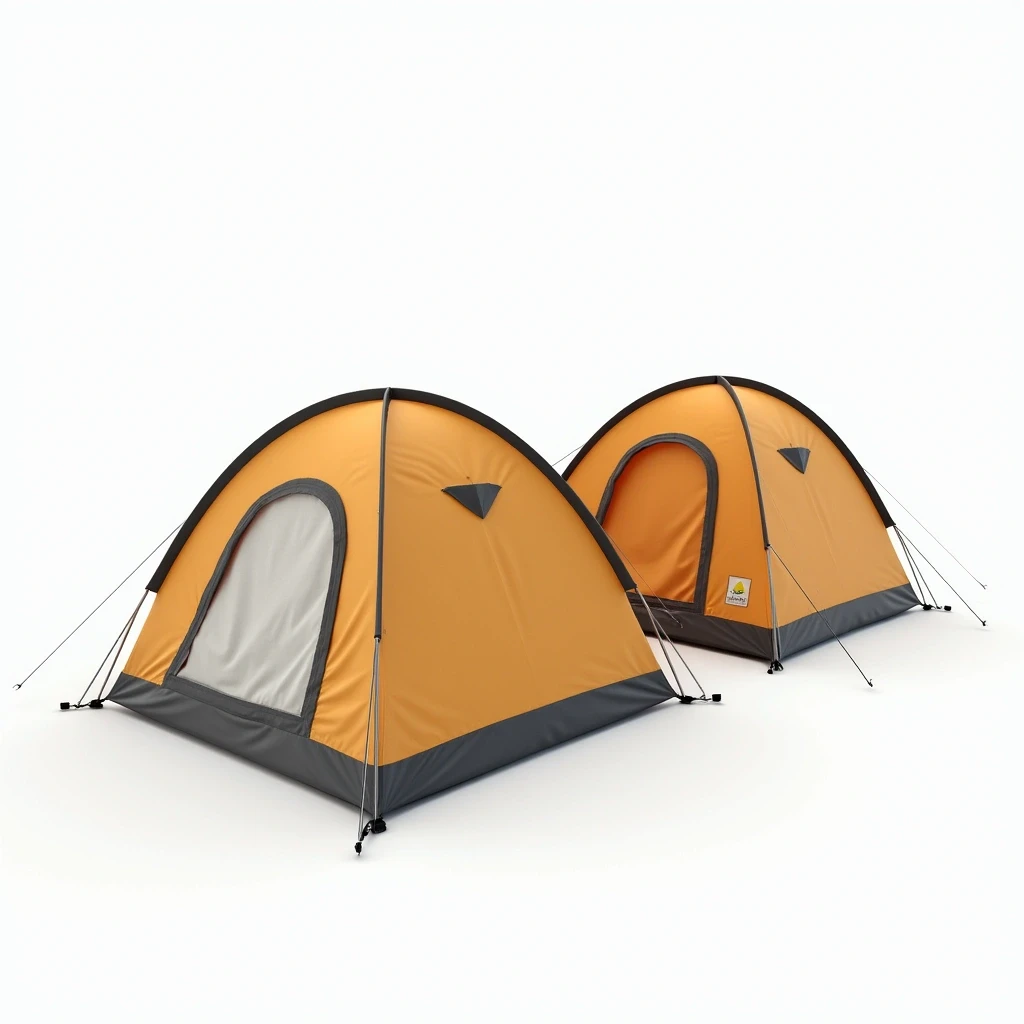
£449.00
2-person / 3-season / 790g
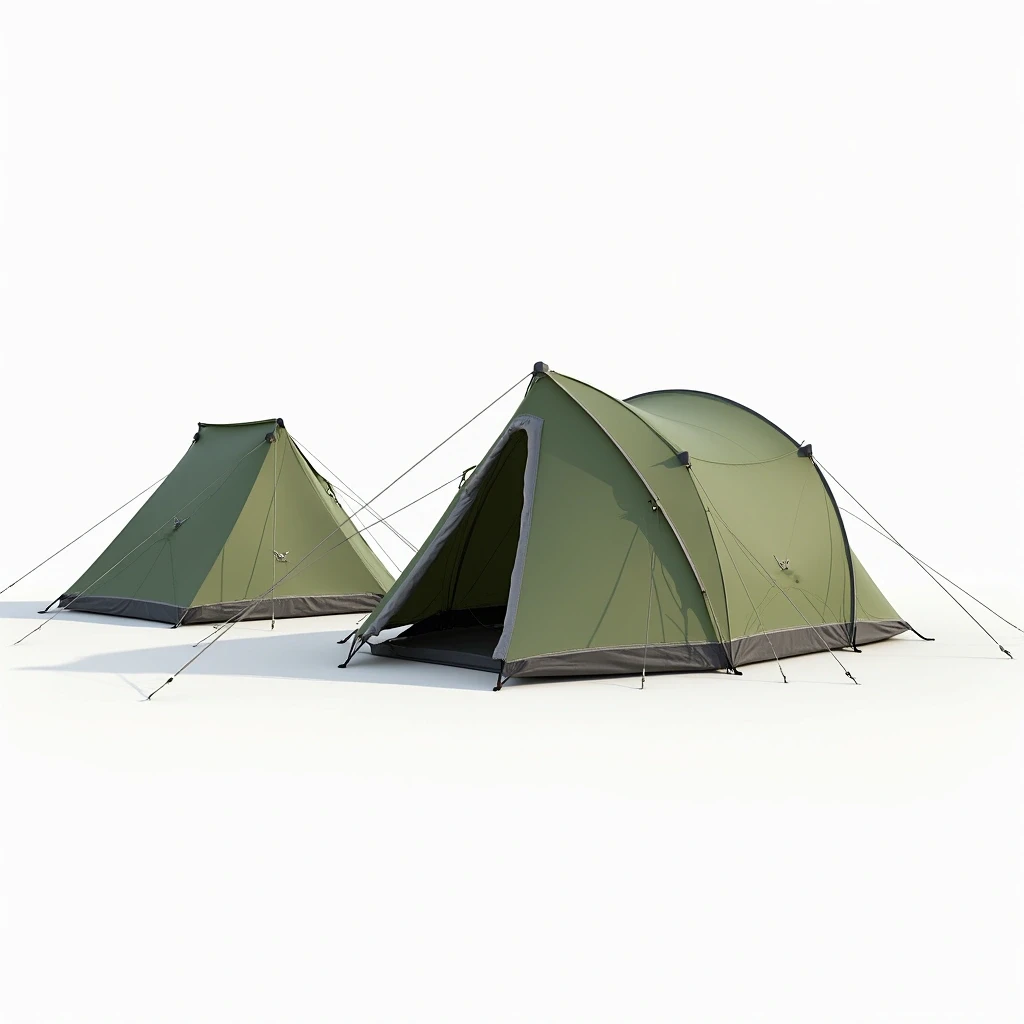
£419.00
2-person / 3-season / 1.72kg
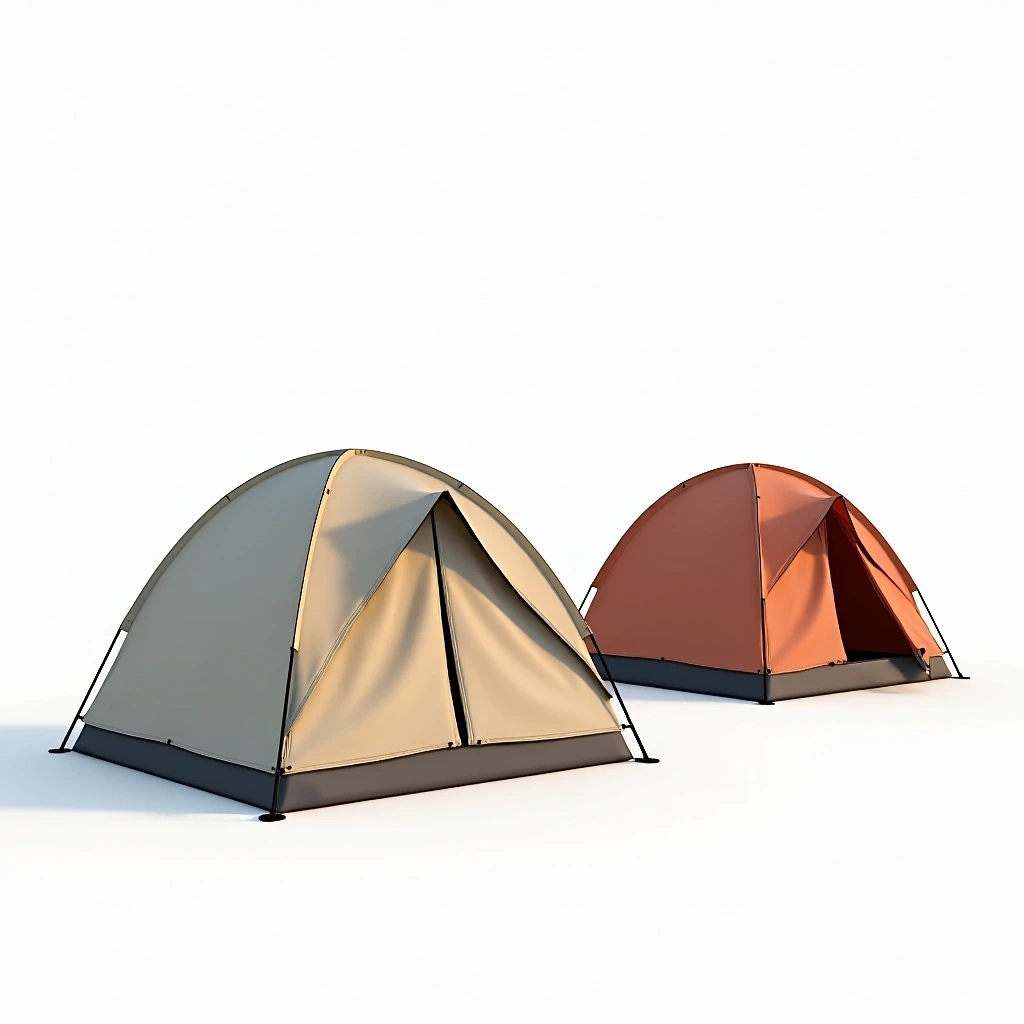
£219.00
2-person / 3-season / 1.6kg
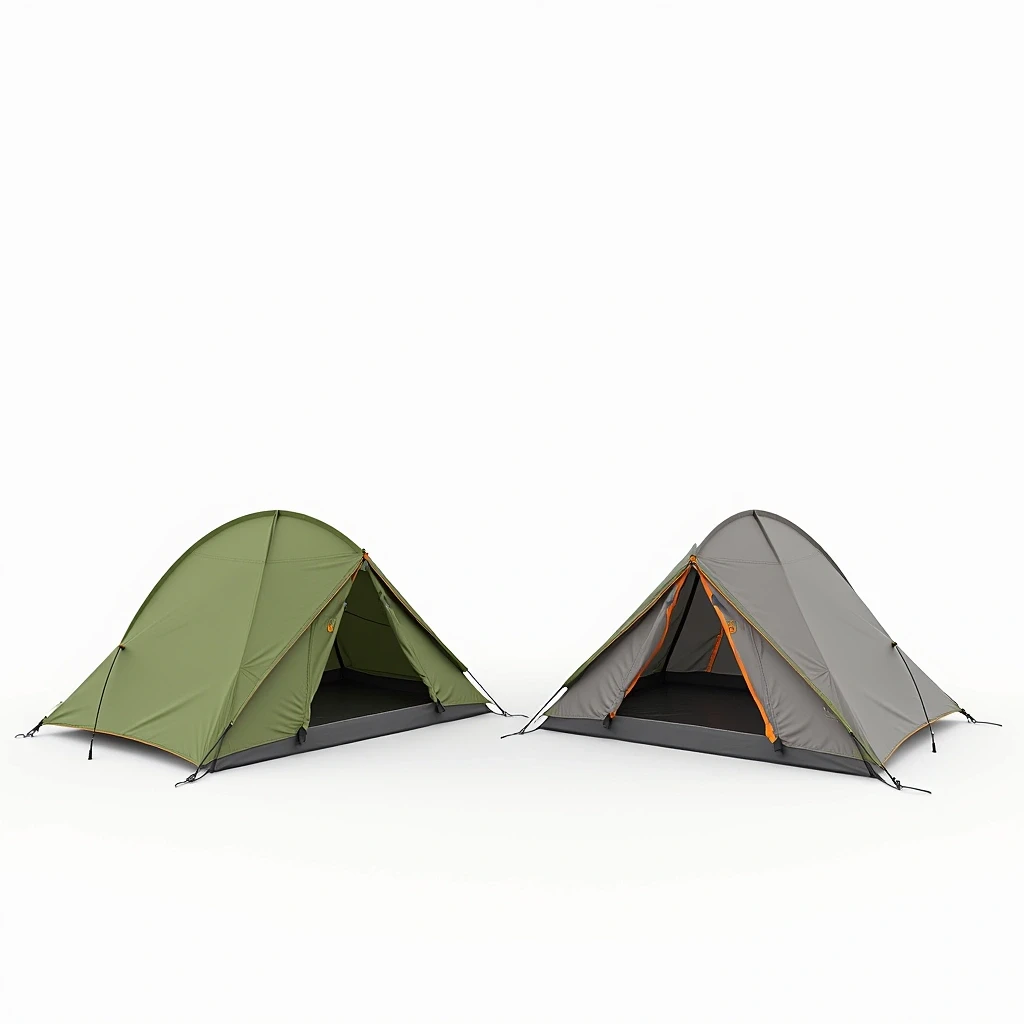
£649.00
2-person / 3-season / 1.8kg
How to choose a tent for UK conditions
Hydrostatic head (HH) is the waterproofing rating. UK hills regularly deliver horizontal rain — an HH of 3000mm is the minimum worth considering. 4000mm+ gives genuine margin when things get bad at altitude. The flysheet rating matters more than the inner fabric: the Vango Soul at HH 4000mm and the Hilleberg Anjan at 5000mm are built for British weather in a way that cheaper tents are not.
Seasonal rating: "3-season" in UK marketing means spring through autumn — typically down to about -5°C with a good sleeping bag. The Terra Nova and MSR are genuinely solid 3-season tents. For winter camping above 600m in Scotland or Snowdonia, you want a geodesic or semi-geodesic design that sheds wind load. The Hilleberg handles this much better than most tunnel tents.
Weight vs livability: the Laser Ultra 2 at 790g is extraordinary but you give up internal volume. Fine for two adults sleeping, but if you're sitting out a 4-hour storm you'll want more headroom. The MSR and Vango offer better livability at the cost of 800g–1kg. For backpacking where every gram counts, the Terra Nova wins. For base camping or a car approach, the extra weight of the Hilleberg pays back in durability — Hilleberg tents are regularly used for 15+ years with proper care.
Traction & Accessories
Microspikes, gaiters and the bits you forget until you need them.
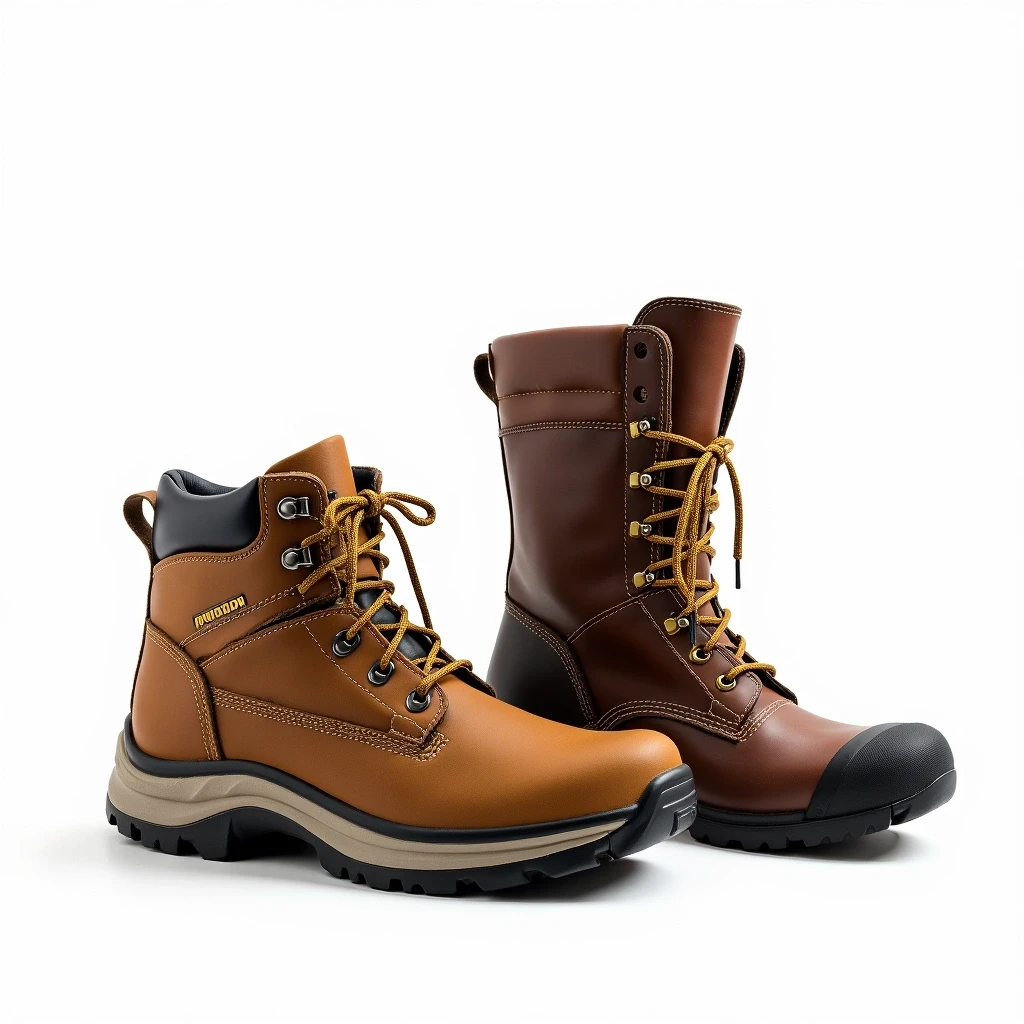
£64.95
Traction device / XS–XL
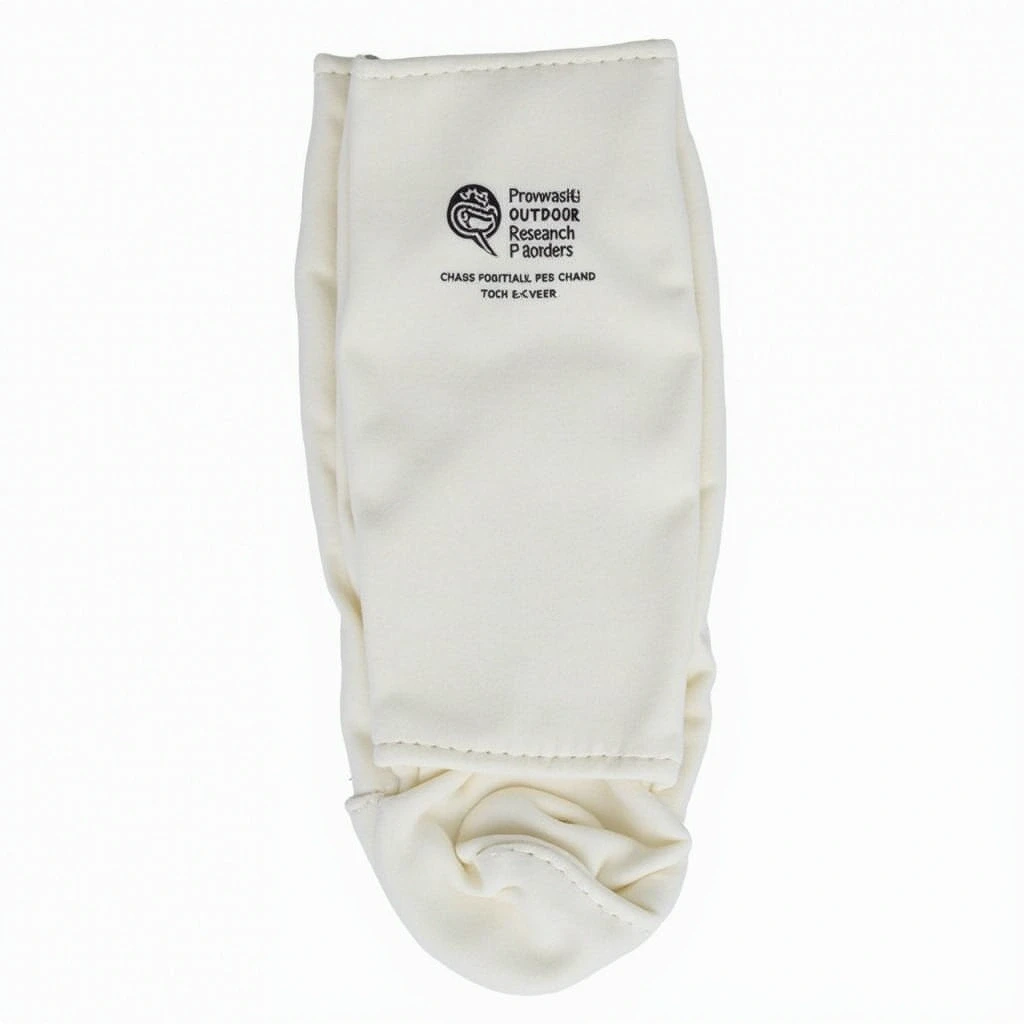
£54.95
Full gaiters / XS–XL